What to consider before replacing a retaining wall
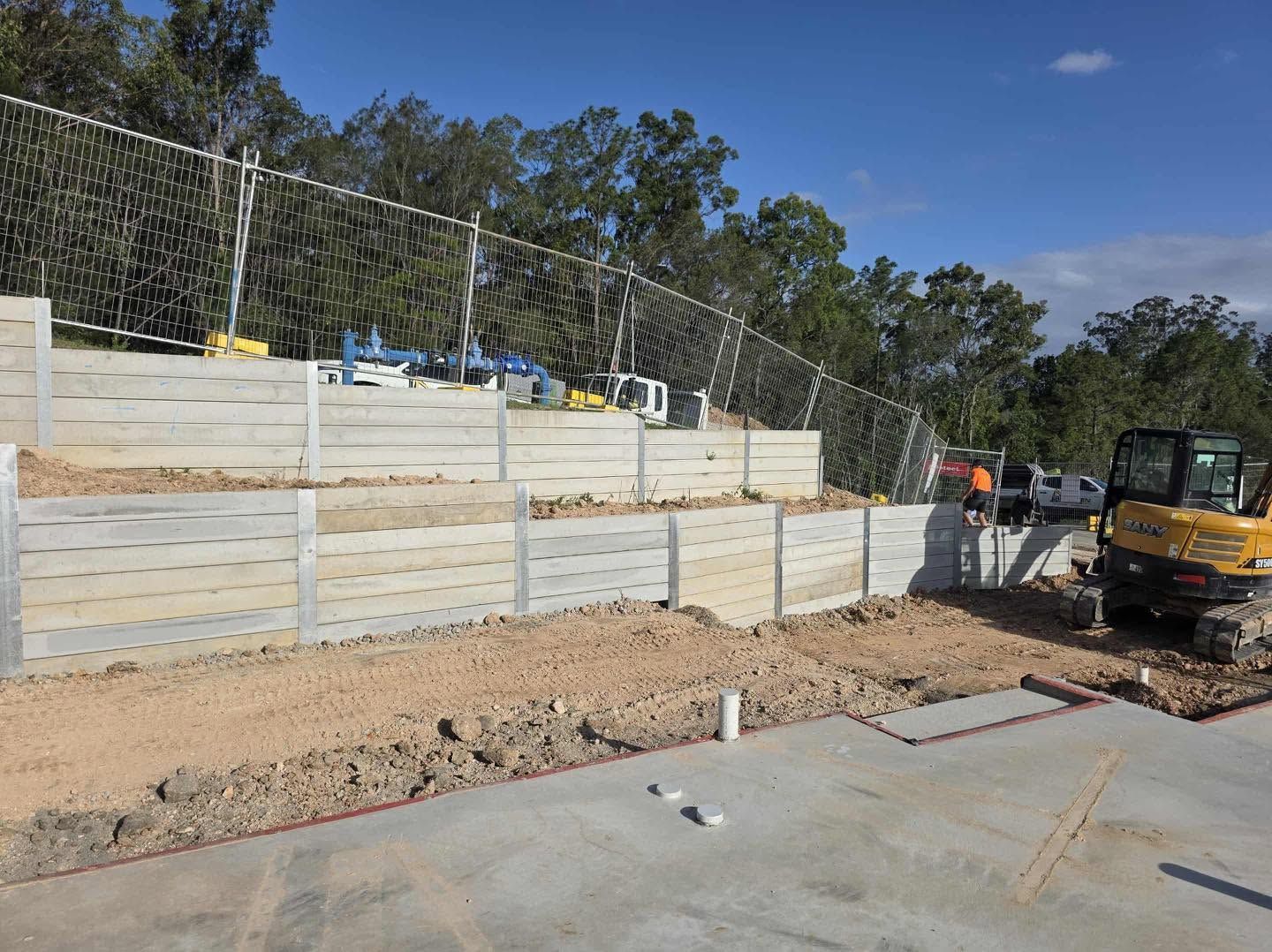
An ageing retaining wall can affect more than the appearance of a property. Movement, leaning sections, failed drainage and deteriorating materials can place pressure on surrounding soil, fences, gardens and nearby structures. Replacing the wall is often a broader earthworks project rather than a simple removal-and-rebuild task.
Good preparation helps the work progress safely and efficiently. Before machinery arrives, it is important to understand the site conditions, access, drainage requirements and the other property elements connected to the wall.
Check why the existing retaining wall is failing
The visible damage may not tell the full story. Timber walls can rot below ground level, posts can move, and drainage behind the wall can become blocked or insufficient. Concrete or masonry walls may crack, lean or separate because of soil movement, water pressure or an unsuitable original footing.
Look for warning signs such as bulging sections, gaps between posts and sleepers, soil washing through the wall, pooling water, leaning fences and changes to the ground level above or below it. These details help an earthmoving contractor understand what may be happening behind the wall before excavation begins.
A replacement should address the cause of the problem, not only the damaged materials. Learn more about our retaining wall and hardscaping services and how excavation, site preparation and drainage can be coordinated as part of the same project.
Measure access before choosing machinery
Access can influence the project method, machinery size, material handling and cost. Measure gates, side paths, overhead clearances and the space available for turning or loading. Also consider steps, air-conditioning units, garden structures, pools and neighbouring boundaries.
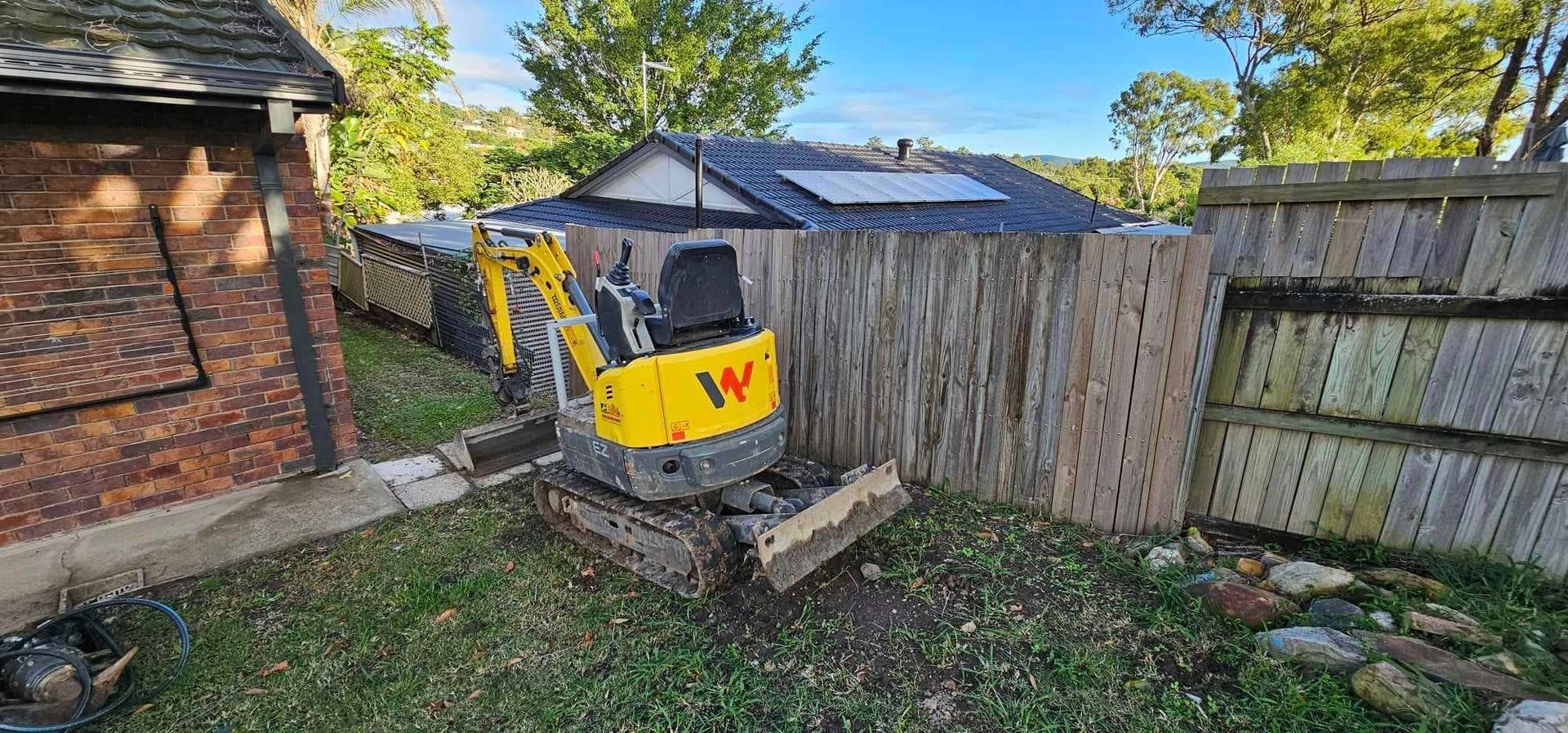
A large excavator may be productive on an open site, but it may not be able to reach a wall behind a house. Compact excavators and specialty micro loaders can work through restricted areas and move soil or materials where conventional machines cannot operate.
For narrow residential sites, explore our tight-access excavation services. Providing clear access measurements and photos during the quoting stage helps identify a practical equipment combination early.
Plan for soil removal and material deliveries
Removing an old wall can produce more material than expected. The project may involve timber, concrete, rock, soil, old footings and unsuitable fill. A plan is needed for separating, loading and removing these materials without blocking the work area.
New sleepers, posts, drainage aggregate and backfill also need space for delivery and safe storage. On smaller properties, materials may need to arrive in stages so the site remains workable.
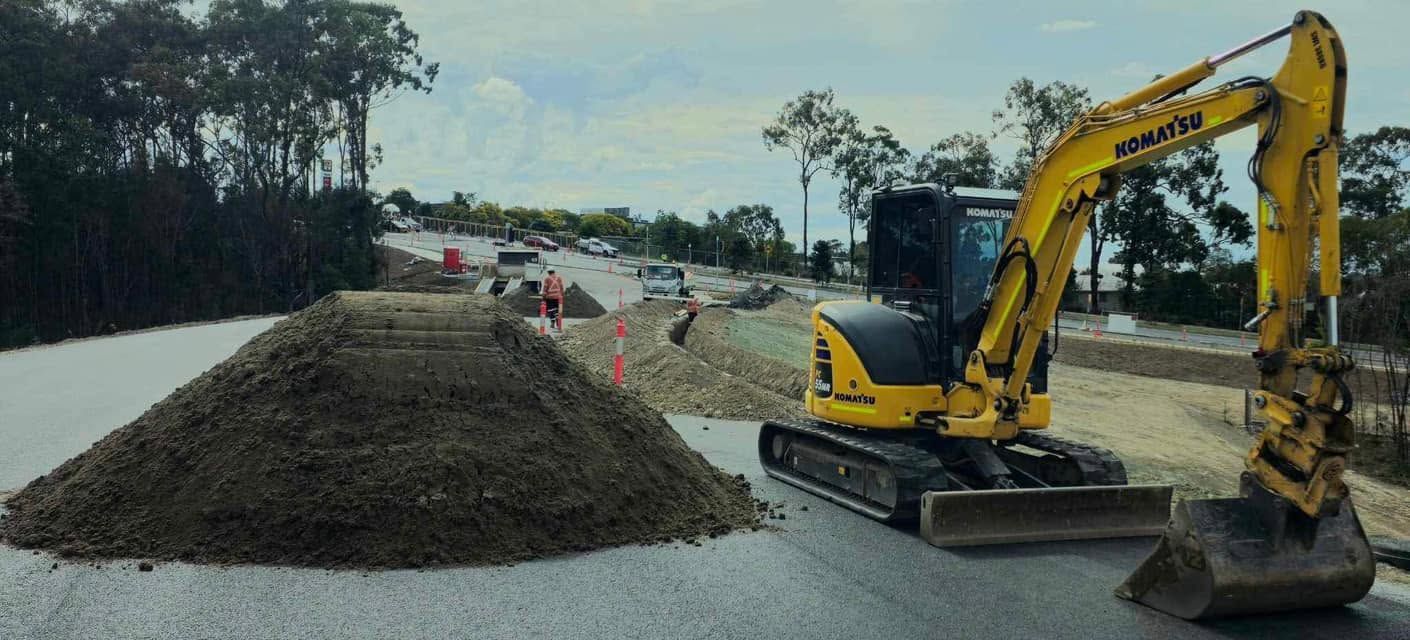
Excavators, skid steer loaders, micro loaders and tipper trucks can be used together to manage excavation and material movement. Our machinery wet hire service provides operated equipment matched to the access and volume of work required.
Consider drainage as part of the replacement
Water behind a retaining wall creates pressure and can contribute to movement or premature failure. Drainage requirements should be considered during excavation, rather than added as an afterthought once the new wall is in place.
The solution may involve drainage aggregate, geofabric, agricultural pipe, suitable outlets or wider stormwater works depending on the site. Existing downpipes, surface runoff and neighbouring ground levels may also affect the amount of water reaching the wall.
Where the wall is connected to a broader drainage issue, review our stormwater drainage and trenching services.
Think about connected fencing and landscaping work
Retaining walls often support or sit beside fences, garden beds, paths and outdoor areas. Replacing the wall may require temporary fence removal, new post positions or changes to surrounding levels.
Planning these elements together can reduce repeated excavation and make it easier to complete the property in a logical sequence. It may also allow drainage, earthmoving, wall preparation and hardscaping to be handled as one coordinated scope.
What information helps with an accurate quote?
Before requesting a quote, gather the approximate wall length and height, access width, photographs of both sides of the wall and any available plans. Note whether the wall supports a driveway, building, pool area, fence or neighbouring property.
It is also useful to explain what outcome you want, including the preferred wall type and any connected fencing, drainage or landscaping work. The contractor can then assess the required machinery, material movement and project stages.
Prepare the full site, not only the wall
A well-planned retaining-wall replacement considers excavation, access, drainage, material handling and the surrounding property. Addressing these factors early can reduce disruptions and help the new structure integrate properly with the site.
Explore our retaining wall and hardscaping services to understand the work Bren-Ten can coordinate.
Ready to discuss an ageing or damaged wall? Contact our team with your photos, measurements and property location to request a tailored quote.